
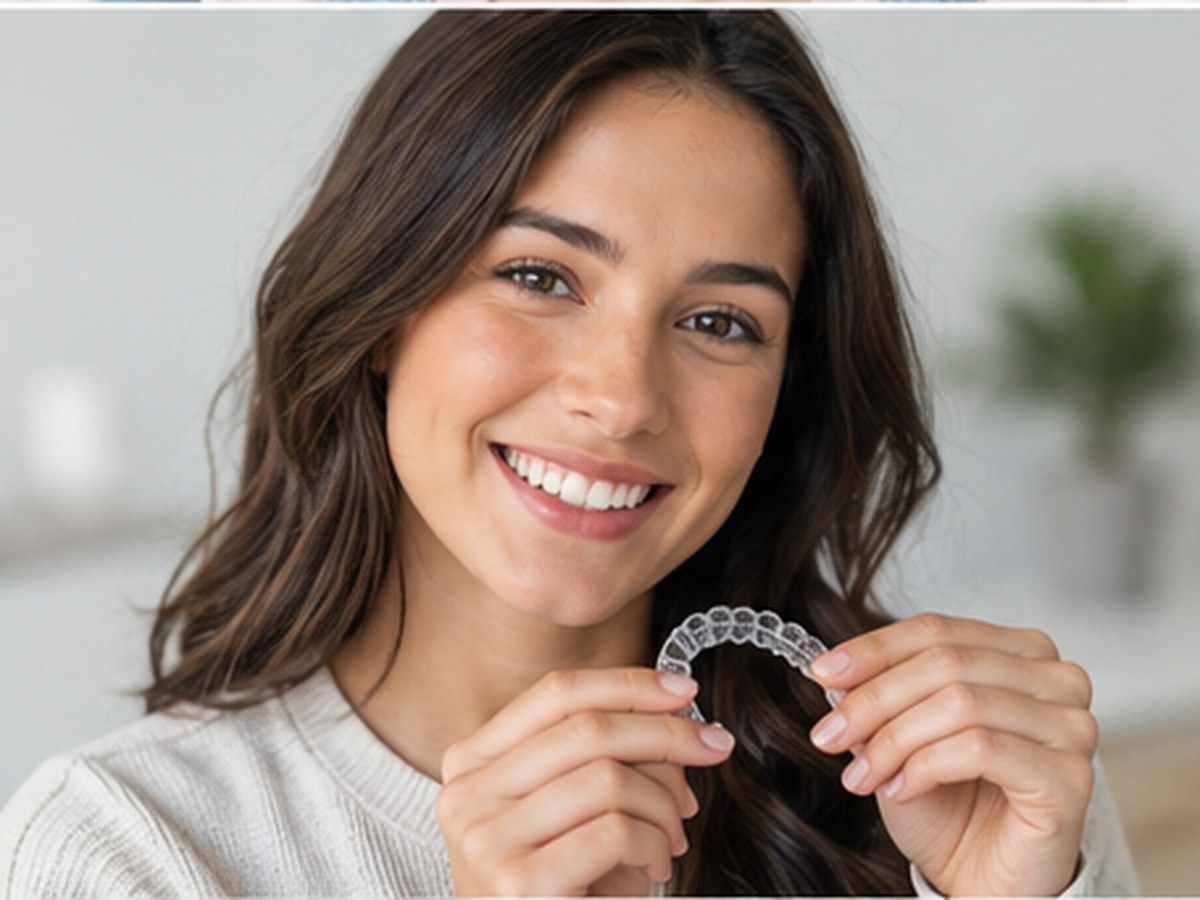
Relapse after braces is common enough to assess, not panic about
Teeth can shift when retainers are not worn or as the mouth changes over time. The amount and type of movement determine whether aligners are suitable.
Old retainers provide useful clues
Bring any previous retainers to the consultation. Their fit can help demonstrate the direction and extent of change.
Not every relapse is a simple front-tooth correction
A visible irregularity may accompany bite changes elsewhere. The provider should assess the full dentition before proposing limited aligners.
The new retention plan matters as much as the retreatment
If relapse occurred once, identify why before repeating treatment. Replacement strategy and realistic long-term wear should be part of the new plan.
Questions to take to a consultation
- What is the diagnosis and treatment objective?
- Who will personally diagnose, plan and supervise treatment?
- What reasonable alternatives exist?
- What is included in the total fee, including refinements and retainers?
- How often are in-person visits expected?
Sources and verification
Primary and professional references used to review this page. External information can change; verify current provider and regulatory details at the publisher.